

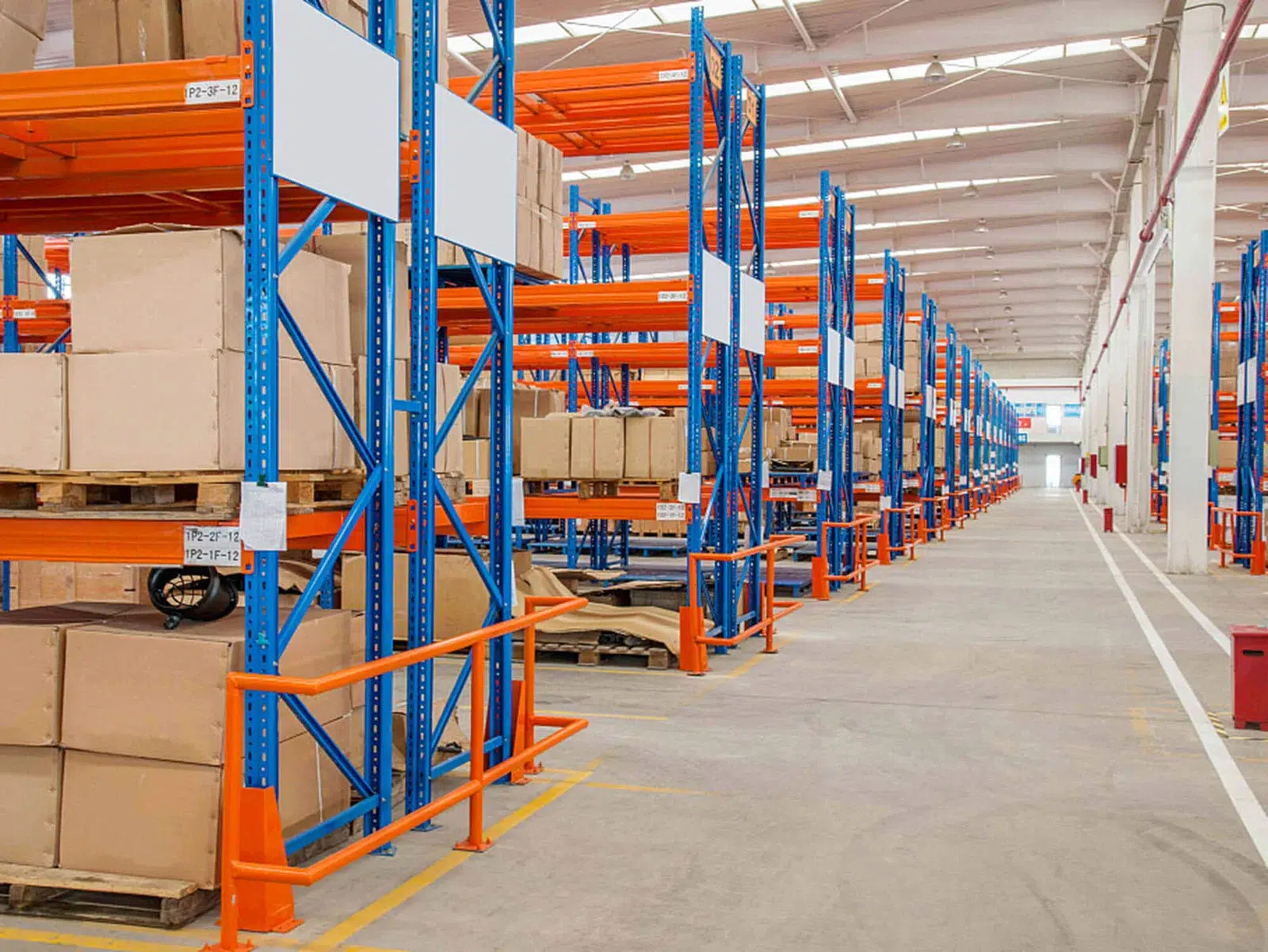
Efficient storage systems are essential for warehouses, factories, logistics facilities, and industrial operations. As storage demands increase, choosing the right heavy duty warehouse rack becomes critical for maximizing space, improving safety, and streamlining inventory management.
The best rack system depends on factors such as load capacity, warehouse layout, inventory type, and operational workflow. Understanding these factors can help businesses invest in a storage solution that supports long-term efficiency and growth.
Table of Contents
- Why Heavy Duty Warehouse Racks Matter
- Types of Heavy Duty Warehouse Racks
- Factors to Consider Before Choosing a Rack
- Understanding Load Capacity Requirements
- Warehouse Layout and Space Planning
- Safety Features to Look For
- Benefits of Choosing the Right Warehouse Rack
- Heavy Duty Warehouse Rack Trends in 2026
- Frequently Asked Questions
- Conclusion
Why Heavy Duty Warehouse Racks Matter
Warehouse storage systems directly affect operational efficiency and inventory control.
A high-quality heavy duty warehouse rack can help businesses:
- Increase storage capacity
- Improve warehouse organization
- Support efficient inventory handling
- Reduce operational downtime
- Enhance workplace safety
Without a proper racking system, warehouses may face congestion, inefficient workflows, and higher storage costs.
Types of Heavy Duty Warehouse Racks
Different industrial environments require different rack configurations.
Selective Pallet Racks
Selective pallet racks are one of the most widely used storage systems for warehouses.
Key advantages include:
- Easy access to inventory
- Forklift compatibility
- Flexible storage arrangement
- Efficient stock rotation
Drive-In Warehouse Racks
Drive-in racks support high-density storage by allowing forklifts to enter storage lanes.
These systems are suitable for:
- Bulk inventory storage
- Large warehouses
- High-volume operations
Cantilever Rack Systems
Cantilever racks are designed for long, oversized, or irregular products.
Common applications include:
- Timber storage
- Steel bars
- Pipes and tubes
- Construction materials
Long Span Shelving
Long span shelving is ideal for manually handled goods requiring medium to heavy load support.
Mezzanine Rack Systems
Mezzanine systems create additional storage levels to maximize warehouse vertical space.
Factors to Consider Before Choosing a Heavy Duty Warehouse Rack
Choosing a rack system requires careful evaluation of operational requirements.
Inventory Type
The type of goods stored will influence rack selection.
Consider:
- Product dimensions
- Product weight
- Storage volume
- Inventory turnover rate
Different products often require different storage configurations.
Warehouse Space Availability
Warehouse layout plays a major role in determining the ideal rack system.
Evaluate:
- Ceiling height
- Floor dimensions
- Aisle width
- Loading zones
- Forklift movement areas
Proper planning improves storage density and workflow efficiency.
Storage Accessibility Requirements
Businesses must decide how easily products need to be accessed.
Some rack systems prioritize:
- Fast inventory access
- High-density storage
- Efficient stock rotation
- Space optimization
The right balance depends on operational goals.
Understanding Load Capacity Requirements
Load capacity is one of the most important considerations when choosing industrial storage racks.
Each rack system has specific weight limitations based on:
- Steel thickness
- Beam strength
- Frame structure
- Anchoring method
Choosing a rack with insufficient load capacity can create safety risks and operational problems.
Businesses should accurately calculate:
- Weight per shelf level
- Total rack capacity
- Pallet load distribution
- Maximum warehouse storage demand
Warehouse Layout and Space Planning
A well-planned warehouse layout can dramatically improve productivity.
Maximize Vertical Storage
Using taller racks helps businesses make better use of available ceiling height.
Optimize Aisle Configuration
Efficient aisle spacing improves:
- Forklift movement
- Picking efficiency
- Inventory access
Create Organized Storage Zones
Separating products by category or movement frequency supports better inventory control.
Safety Features to Look For in Heavy Duty Warehouse Racks
Safety should always be a priority in industrial storage environments.
Important safety features include:
Strong Structural Design
Industrial racks should be engineered for stability and durability.
Floor Anchoring Systems
Secure anchoring helps prevent movement and instability.
Safety Accessories
Look for:
- Beam locking mechanisms
- Rack guards
- Column protectors
- Load signage
Regular Inspection Capability
Warehouse racks should allow easy inspection and maintenance.
Benefits of Choosing the Right Heavy Duty Warehouse Rack
Selecting the correct storage solution offers several long-term advantages.
Better Space Utilization
Efficient racks maximize both vertical and horizontal storage areas.
Improved Inventory Management
Organized storage simplifies tracking, retrieval, and stock control.
Increased Productivity
Optimized layouts reduce picking time and improve operational flow.
Long-Term Cost Savings
Durable systems reduce maintenance expenses and support scalable growth.
Heavy Duty Warehouse Rack Trends in 2026
Industrial storage continues evolving with modern logistics demands.
Smart Warehouse Integration
Warehouses increasingly use automation and warehouse management systems.
Modular Rack Systems
Flexible rack configurations allow businesses to adapt quickly.
High-Density Storage Solutions
Space optimization remains a major priority for industrial facilities.
Sustainable Storage Design
Eco-friendly materials and sustainable manufacturing are gaining importance.
Frequently Asked Questions
What is a heavy duty warehouse rack?
A heavy duty warehouse rack is an industrial storage system designed to support high-load inventory in warehouses, factories, and logistics facilities.
Which heavy duty rack is best for industrial storage?
The best option depends on inventory type, load requirements, warehouse layout, and accessibility needs.
How much weight can a heavy duty warehouse rack hold?
Load capacity varies by design and material specifications, ranging from several hundred kilograms to multiple tons.
Why is warehouse rack selection important?
Proper rack selection improves storage efficiency, safety, and warehouse productivity.
Conclusion
Choosing the best heavy duty warehouse rack for industrial storage requires careful evaluation of warehouse layout, load capacity, inventory requirements, and operational goals. The right storage system can improve efficiency, maximize space utilization, and support long-term business growth.
As warehouses continue evolving in 2026, investing in durable, scalable, and professionally designed racking systems remains essential for industrial success.

Comment (0)