

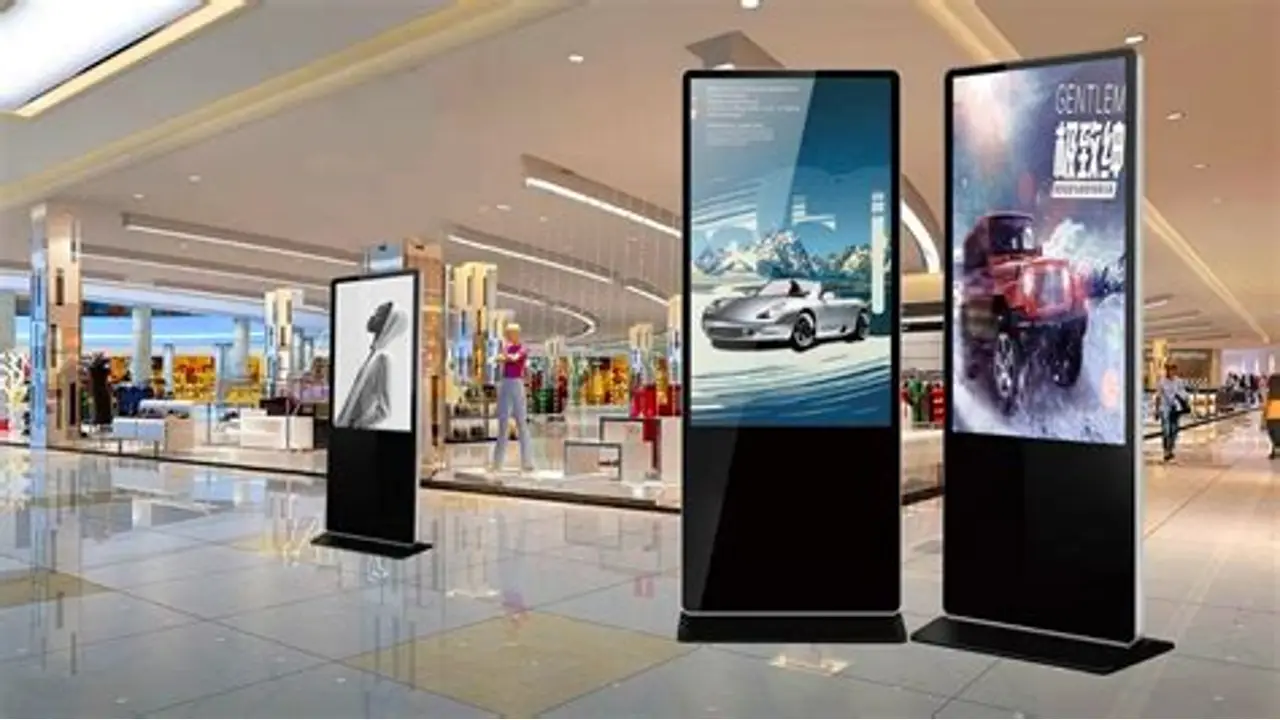
In today’s competitive marketplace, businesses need effective ways to attract attention, promote products, and build lasting relationships with customers. Traditional marketing methods remain useful, but digital technology offers new opportunities to deliver engaging and timely messages. A digital signage display can help businesses modernize their marketing by presenting dynamic visuals, promotional offers, product information, and brand messages on electronic screens.
From retail stores and restaurants to corporate offices and shopping malls, digital signage is becoming a valuable communication tool. By combining attractive content with flexible management, businesses can improve customer engagement, strengthen brand awareness, and create more memorable experiences.
What Is a Digital Signage Display?
A digital signage display is an electronic screen used to share advertisements, announcements, videos, images, and other information. These displays commonly use LCD or LED technology and can be installed indoors or outdoors, depending on their intended purpose.
Businesses can use digital screens to advertise new products, promote discounts, display menus, communicate important updates, or guide customers through a physical location. Many systems also include content management software that allows authorized users to schedule and update messages remotely.
Unlike printed posters, digital displays make it possible to change campaigns quickly without producing new advertising materials every time a promotion changes.
1. Capture Customer Attention with Dynamic Content
One of the biggest advantages of digital signage is its ability to present visually engaging content. Moving images, short videos, animations, and attractive graphics can help businesses communicate messages in busy commercial environments.
For example, a clothing store can display seasonal collections, fashion videos, and limited-time offers on screens near its entrance. A restaurant can showcase popular meals using high-quality food photography.
The key is to create content that communicates a clear message within a few seconds. Concise headlines, readable text, and relevant visuals can make advertisements easier for customers to understand.
2. Promote Products and Special Offers Instantly
Marketing campaigns often change according to seasonal demand, inventory, and customer preferences. Digital signage allows businesses to update promotions without printing and distributing replacement posters.
Retailers can highlight discounts, introduce new arrivals, and promote selected products throughout the day. Restaurants can update menu boards, advertise meal combinations, or communicate temporary changes in availability.
Businesses operating multiple locations can also use centralized software to distribute consistent promotional messages across their screens. This approach helps marketing teams manage campaigns efficiently while allowing local adjustments when necessary.
3. Improve Customer Experience
Successful marketing is not only about selling products. It also involves helping customers find information, understand available options, and navigate a business environment.
Digital signage can support this process by displaying directions, product details, service information, and frequently requested answers. Hotels can use screens to share event schedules, while shopping centers can provide interactive directories.
Interactive displays offer additional opportunities through touchscreens, product catalogs, and self-service kiosks. When these features are easy to use, they can make the customer journey more convenient and reduce unnecessary waiting.
4. Strengthen Brand Awareness
Consistent branding helps customers recognize and remember a business. Digital screens provide an additional channel for presenting brand colors, logos, product imagery, and promotional messages.
Businesses can develop branded content that reflects their identity and appeals to their target audience. For example, a premium retailer might use elegant visuals and minimal text, while a family restaurant might emphasize colorful food photography and special family offers.
Maintaining consistent design across locations and campaigns can help create a more professional appearance. However, content should remain relevant to the viewing environment rather than repeating the same advertisement without considering customer needs.
5. Reduce Long-Term Advertising Costs
Digital signage requires an initial investment in screens, installation, software, and maintenance. However, it can reduce some recurring costs associated with printing, shipping, and replacing physical promotional materials.
Businesses that frequently update their campaigns may benefit particularly from this flexibility. Instead of printing new posters for every discount or seasonal event, staff can upload revised content to existing displays.
Digital signage can also reduce the time required to distribute advertising materials across multiple locations. To determine whether it is financially worthwhile, businesses should compare the total ownership cost with their current marketing expenses and expected benefits.
6. Deliver More Relevant Marketing Messages
Showing the right message at the right time can make advertising more useful. Digital signage systems allow businesses to schedule different content according to operating hours, promotions, and specific marketing objectives.
For instance, a café could advertise breakfast options in the morning and promote afternoon refreshments later in the day. A retail store might highlight different product categories depending on its current campaign.
More advanced platforms can incorporate approved contextual information, such as weather conditions or inventory data, to support relevant content changes.
Businesses should avoid collecting or using personal information unnecessarily. Context-based advertising can be effective without invasive tracking, and any audience analytics should comply with applicable privacy requirements.
7. Connect Physical Advertising with Digital Marketing
Digital signage can complement websites, social media campaigns, email marketing, and online shopping experiences.
For example, a screen can feature a QR code that directs customers to a product page, promotional landing page, or digital loyalty program. Event organizers can display registration links, while retailers can encourage shoppers to explore additional products online.
This integration creates a connection between physical advertising and digital channels. Businesses can also measure selected campaign outcomes by tracking QR code scans, website visits, and conversions associated with specific promotions.
For best results, ensure that QR codes are easy to scan and lead to mobile-friendly pages that provide a clear benefit.
8. Measure Marketing Performance
Digital signage can support more informed marketing decisions when businesses define clear objectives and monitor relevant metrics.
Depending on the available tools, useful measurements may include:
- Screen uptime and successful content playback.
- QR code scans and landing-page visits.
- Customer interactions with touchscreen displays.
- Sales performance during specific promotional periods.
- Changes in customer response following content adjustments.
These metrics can help businesses identify which campaigns deserve further investment. However, displaying an advertisement does not automatically prove that customers noticed it or purchased something because of it. Comparing results against a baseline and considering other marketing activities can provide a more reliable assessment.
Best Practices for Successful Digital Signage Marketing
To get the most from digital signage, start by identifying your target audience and the main purpose of each display. Choose screen sizes and brightness levels appropriate for the installation location, and make sure the content is visible from a suitable distance.
Keep messages short, use readable typography, and avoid overcrowding screens with competing information. Update promotions regularly and maintain a consistent brand identity.
It is also important to select reliable content management software, protect access to connected devices, and schedule routine maintenance. Reviewing campaign performance can help businesses improve their messaging over time.
Conclusion
A digital signage display can transform business marketing by making advertising more flexible, visually engaging, and convenient to manage. From promoting special offers and strengthening brand awareness to improving customer experiences and connecting physical stores with digital channels, this technology provides practical benefits across many industries.
The best results come from combining suitable hardware with relevant content, strategic placement, and measurable marketing objectives. Businesses do not need to adopt every advanced feature immediately. Starting with a clear goal and improving campaigns based on real performance data can help them build a more effective and sustainable digital marketing strategy.

Comment (0)